
Published:
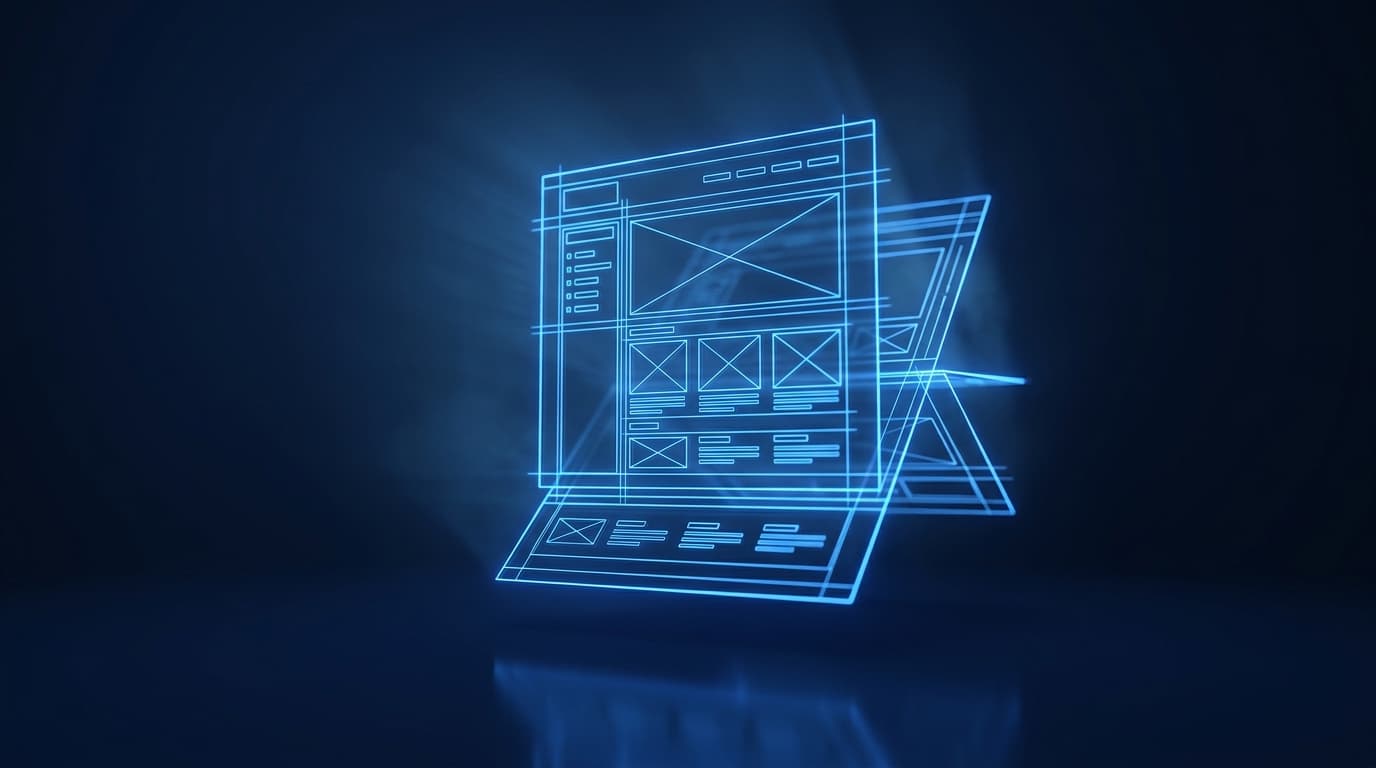
The shortest answer to what a technical specification is: a document recording what you expect and what the contractor will build. It sounds dry, but in practice it's what saves many projects from turning into a dispute. Let's look at what belongs in one.
Why a specification matters
Imagine you said “a simple, modern website”. The contractor understood exactly the same words. But a month later you look at the result and say, “this isn't what I meant.” You're both right — because the word “simple” paints a different picture in every head.
A specification removes that ambiguity. It doesn't show who's right in an argument — it shows what was agreed at the start.
What a specification should contain
The project's goal. Why the site exists: collecting enquiries, selling products, presenting the company. One sentence is enough, as long as it's specific.
The audience. Who lands on the page and what they're looking for.
A list of pages. Each page and the blocks it will contain.
Features. Enquiry form, search, filters, customer account, payment — everything needed, stated explicitly.
Integrations. Payment system, CRM, 1C, Telegram — which ones connect.
Who provides content. Who prepares the text and images — this is most often what stretches deadlines.
Technical requirements. Number of languages, mobile version, speed, admin panel capabilities.
Timeline and stages. When each stage is delivered and when it's shown.
What is NOT included. This section is often forgotten and it's the most useful one. A single line — “a mobile app is not part of this project” — prevents a lot of arguments later.
Who writes it
Ideally, both of you. You know your business, the contractor knows the technical side. In practice it usually works like this: you describe goals and wishes freely, the contractor turns that into a structured document, and you approve it.
If a contractor doesn't propose writing a specification and starts building immediately — that's a warning sign.
What happens without one
Deadlines stretch, because a new “small” request appears every week.
The budget grows, because it's unclear which work was part of the agreement.
The relationship suffers. Both sides believe they're right — and both genuinely are, because nobody wrote anything down.
A practical tip
Don't try to make the specification perfect. A concrete 5–7 page document is more useful than a vague 40-page one. Test every point with one question: “can this be read two ways?” If yes, clarify it.
And attach the specification to the contract. A document sitting on its own carries little weight.
Conclusion
A technical specification isn't bureaucracy — it's a tool that protects both sides. A few days spent on it buys you a calm few months afterwards.
Need help writing a specification for your project? Tell us what you want to build — we'll turn it into a structured document together, and it stays yours even if you end up working with someone else. The consultation is free. Phone: +998 99 861 69 51, Telegram: t.me/uproject_support